
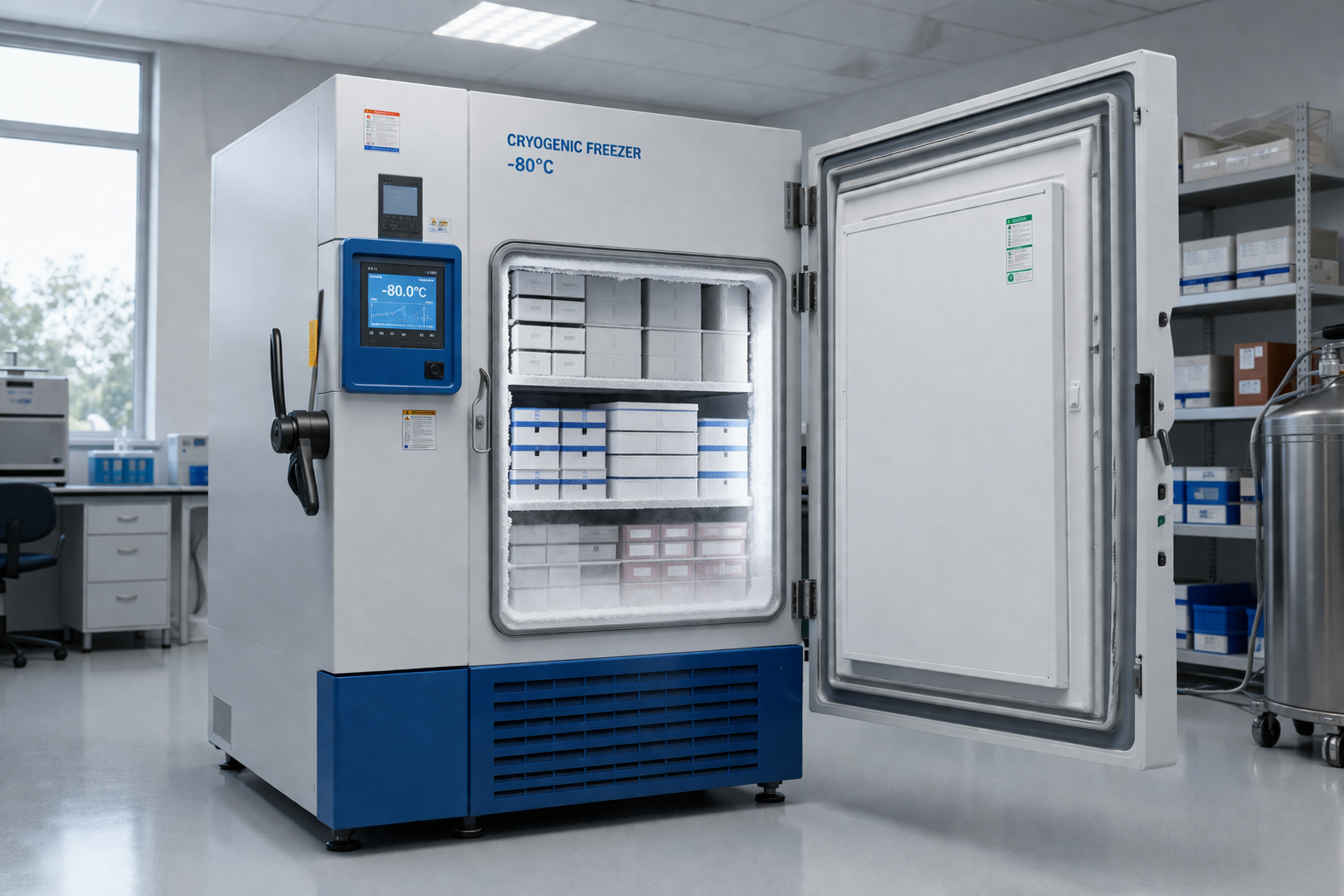
When it comes to preserving sensitive biological samples, vaccines, and research materials, cryogenic freezer maintenance is not just a routine task. It is a mission-critical responsibility. Laboratories rely on ultra-low temperature freezers to maintain sample integrity, ensure compliance, and avoid costly losses. Even a small lapse in maintenance can lead to temperature fluctuations that compromise years of research.
This guide is designed for lab managers, technicians, and medical staff who depend on cryogenic systems daily. We will walk through best practices, preventative strategies, and key insights to help extend equipment life and reduce downtime.
Why Cryogenic Freezer Maintenance Matters
Cryogenic freezers operate at extremely low temperatures, often ranging from -80°C to -196°C. These conditions place significant stress on internal components such as compressors, seals, sensors, and insulation systems.
Without proper cryogenic freezer maintenance, labs face risks such as:
- Sample degradation or total loss
- Increased energy consumption
- Unexpected equipment failure
- Compliance issues with regulatory standards
- Expensive emergency repairs
Routine maintenance ensures stable performance and protects both your research and your investment.
Understanding How Cryogenic Freezers Work
Before diving into maintenance, it helps to understand the basics. Cryogenic freezers use either mechanical refrigeration systems or liquid nitrogen to achieve ultra-low temperatures. Mechanical systems rely on cascade compressors, while cryogenic systems may use liquid nitrogen injection for rapid cooling.
Because of these complex systems, lab equipment maintenance must be both proactive and precise. Small inefficiencies can quickly escalate into major problems.
Daily Maintenance Checklist
Daily checks are simple but essential. These tasks take only a few minutes but can prevent serious issues.
- Verify temperature readings and alarms
- Check door seals for frost buildup or gaps
- Ensure the door is fully closed after each use
- Listen for unusual noises from compressors or fans
- Confirm proper airflow around the unit
Consistency is key. A quick daily routine can catch early warning signs before they become failures.
Weekly Maintenance Tasks
Weekly maintenance goes a step deeper and focuses on performance consistency.
- Inspect and clean air filters
- Check for excessive frost accumulation inside the chamber
- Review temperature logs for fluctuations
- Test alarm systems and backup power alerts
- Inspect electrical connections for wear or looseness
These steps support ongoing lab equipment repair prevention by identifying issues early.
Monthly and Quarterly Maintenance
Long-term performance depends on more detailed inspections performed monthly or quarterly.
Clean Condenser Coils
Dust and debris reduce cooling efficiency. Clean coils improve airflow and reduce strain on compressors.
Inspect Door Gaskets
Damaged or worn gaskets allow warm air to enter, causing temperature instability and increased energy usage.
Calibrate Temperature Sensors
Accurate readings are critical. Calibration ensures your freezer maintains the correct temperature range.
Check Backup Systems
Many labs rely on backup systems such as CO2 or LN2 injection. Ensure these systems are functional and properly configured.
Review Maintenance Logs
Tracking patterns helps identify recurring issues and supports better decision-making.
Common Cryogenic Freezer Problems and Solutions
Even with proper care, issues can arise. Knowing how to respond quickly is essential.
Temperature Fluctuations
Possible causes include dirty filters, failing compressors, or frequent door openings. Start by checking airflow and seals.
Excessive Frost Buildup
This often results from humidity entering the chamber. Inspect door seals and reduce unnecessary access.
Unusual Noises
Grinding or rattling sounds may indicate motor or fan issues. Address these immediately to prevent further damage.
Alarm Failures
If alarms are not functioning, your first line of defense is gone. Test systems regularly and repair promptly.
Power Issues
Ensure your freezer is connected to a stable power source with surge protection and backup systems in place.
Best Practices for Long-Term Reliability
To maximize equipment lifespan and performance, follow these best practices:
- Minimize door openings to maintain internal temperature
- Avoid overloading the freezer, which restricts airflow
- Store samples in organized racks for efficient access
- Maintain proper clearance around the unit for ventilation
- Train staff on correct usage and handling procedures
Strong operational habits are just as important as technical maintenance.
The Role of Professional Lab Equipment Maintenance
While internal teams can handle routine checks, professional service is essential for deeper inspections and repairs. Certified technicians bring specialized tools and expertise that go beyond standard procedures.
Professional lab equipment repair services can:
- Diagnose complex mechanical issues
- Perform advanced calibrations
- Replace critical components safely
- Ensure compliance with industry standards
- Reduce long-term operational costs
Partnering with experts helps maintain reliability and peace of mind.
Compliance and Documentation
In medical and research environments, documentation is just as important as the maintenance itself.
Maintain detailed records of:
- Temperature logs
- Maintenance schedules
- Repair history
- Calibration reports
- Alarm tests
These records support audits, regulatory compliance, and internal accountability.
Energy Efficiency and Cost Savings
Proper maintenance is not just about performance. It also impacts your bottom line.
Well-maintained cryogenic freezers:
- Consume less energy
- Reduce strain on electrical systems
- Lower repair costs over time
- Extend equipment lifespan
A proactive maintenance strategy is one of the most cost-effective decisions a lab can make.
When to Schedule Service
If you notice any of the following, it is time to call a professional:
- Persistent temperature instability
- Frequent alarms or system errors
- Ice buildup that returns quickly after defrosting
- Increased energy usage without explanation
- Equipment older than recommended service intervals
Delaying service can turn minor issues into major failures.
Supporting Labs in Everett, WA and Beyond
For laboratories in Everett, WA, having a reliable service partner is critical. Local expertise ensures faster response times and a better understanding of regional compliance and operational needs.
Working with experienced technicians who specialize in cryogenic freezer maintenance and lab equipment maintenance ensures your equipment operates at peak performance year-round.
Precision Mechanical’s Expert Services & Support
Maintaining cryogenic freezers requires a balance of daily vigilance, scheduled upkeep, and professional support. By following a structured maintenance plan, labs can protect valuable samples, reduce downtime, and extend the life of their equipment.
Whether you are managing a research facility, medical lab, or biotech operation, investing in proper maintenance is essential for success.
For expert service and support, trust Precision Mechanical to help keep your equipment running efficiently. If your lab needs immediate assistance or preventative service, you can Request a Service or Equipment today.