
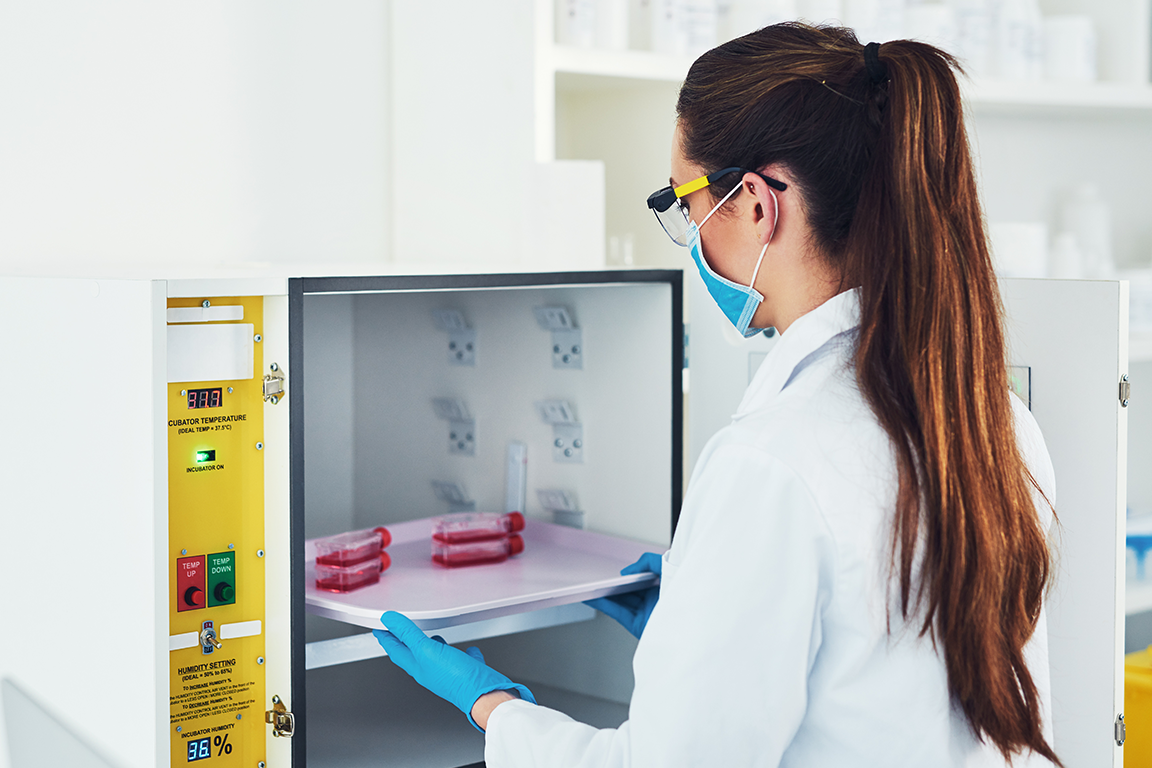
When it comes to outfitting a laboratory or medical facility, one of the most mission critical pieces of infrastructure is the commercial freezer. Whether you’re storing biological samples, pharmaceuticals, reagents, or patient specimens, selecting the right freezer impacts not only efficiency and cost but also the integrity of your work. In this article, we’ll walk lab and medical facility managers through the key considerations for choosing a commercial freezer, including when to use a cryogenic freezer, commercial chest freezer, or ultra low temperature freezer, and how to make the right decision for your facility in Everett, WA and beyond.
Why choosing the right commercial freezer matters
A commercial freezer in a lab or medical setting is far more than the big box in the corner that stores ice cream. It must deliver consistent, precise temperatures, alert you to deviations, handle heavy usage, and integrate with your facility’s power, HVAC and monitoring environment. Using consumer grade freezers can compromise sample integrity because they lack the stability and features required for critical applications.
When a commercial freezer fails due to temperature drift, mechanical issues, or unsuitable design, it can jeopardize years of research, cost thousands in wasted reagents or samples, and disrupt operations. That risk alone justifies a thoughtful and informed approach to specifying this equipment.
Key factors to evaluate when selecting a commercial freezer
Temperature range and uniformity
What temperature do your stored materials require? A standard commercial freezer may maintain -10 °C to -25 °C, but many research applications demand deeper freeze conditions such as -40 °C or even -80 °C. Ultra low systems are designed specifically for those extremes.
Beyond the set point, consider how well the unit holds temperature uniformly throughout its interior and how quickly it recovers after door openings. Purpose built lab freezers outperform consumer models because they are tested across multiple probes in realistic use.
Capacity, layout and access
What volume of material do you anticipate storing now and in three to five years? Growth in sample load is common, so planning extra capacity upfront can save costs later.
Also evaluate the physical layout: top opening (chest) vs upright units. Chest freezers offer large volume and may reduce temperature disturbance during frequent access. However, if your workflow depends on quick visual access to shelves, upright models may be better.
- Energy efficiency and lifecycle cost
Energy consumption is a major operational cost, especially for ultra low temperature systems. Choosing a unit with energy efficient design reduces long term cost and environmental impact. Selecting models that are ENERGY STAR certified or that use less impact refrigerants is beneficial. - Compliance, monitoring and alarms
In lab and medical environments, equipment must support compliance with standards. Features such as digital temperature logging, alarms, remote alerts, and backup systems are critical. - Reliability, serviceability and vendor support
Freezer failures have cascading effects. When evaluating vendors, look at track records for reliability, availability of service, spare parts, and ease of maintenance. Scrutinize lifetime cost, not just upfront price.
When to pick each freezer type: Commercial Freezer vs Cryogenic Freezer vs Commercial Chest Freezer vs Ultra Low Temperature Freezer
Here’s a breakdown of types and their ideal use cases:
- Commercial Freezer: Applies to freezers used in commercial or industrial environments. For labs, this may mean a freezer capable of -20 °C to -30 °C for general sample storage, reagents, or tissue that does not require ultra low conditions.
- Commercial Chest Freezer: A top opening, large volume freezer. Ideal for labs with large sample loads, long term storage, and less frequent access. Due to the lid design, the cold air tends to stay in when opened, which may benefit stability.
- Ultra Low Temperature Freezer (ULT Freezer): Engineered for temperatures typically around -40 °C to -86 °C. Used for sample banks, biobanks, cell lines, and valuable research specimens. Specifications are stringent and energy costs high, but the protection is critical.
- Cryogenic Freezer: Involves cryogenic temperatures using liquid nitrogen. This is for long term storage of biological material at cryogenic scale rather than everyday freezer use. Some facilities use both ULT freezers and cryogenic storage depending on need.
In short, if you’re storing common reagents or chilled material, a quality commercial freezer may suffice. If your facility holds long term research samples or cell banks, a ULT freezer is likely required. For bulk, less accessed storage, chest style may be ideal. Cryogenic is for ultra specialist long term extreme cold.
Specific tips for lab and medical facilities in Everett, WA
Operating in Everett, WA brings a few local considerations:
- Climate and HVAC burden: Ambient conditions, ventilation, and local codes matter. Ensure clearance and ventilation for the unit, especially ULT models that generate significant heat.
- Utility incentives: Washington state utilities may offer rebates for high efficiency lab equipment.
- Service availability: Choose a provider with local service and rapid response in the Snohomish or King County area.
- Facility growth: The biotech and medical research presence in the Pacific Northwest is growing. Plan scalable storage and possibly multiple units.
Example checklist: Specifying a commercial freezer in your facility
- Define the required temperature range
- Estimate current and future storage volume
- Determine frequency of access
- Decide orientation and footprint requirements
- Confirm defrost method and interior layout
- Ensure monitoring features: alarms, data logging, notifications
- Evaluate energy consumption and efficiency certifications
- Review vendor reliability and local service availability
- Verify installation needs and infrastructure compatibility
- Budget for lifecycle cost including maintenance and energy
How Precision Mechanical helps
At Precision Mechanical, we specialize in mechanical systems support for laboratory and medical environments in Everett, WA and surrounding areas. From helping you specify the right commercial freezer to installing, commissioning, and maintaining it, our team ensures you get a solution tailored to your operational needs.
Choosing the right commercial freezer is about more than just price. It is about safeguarding your operations, protecting valuable samples, and reducing long term risk. Whether you’re considering a chest style commercial freezer, an upright ultra low temperature freezer, or a specialized cryogenic freezer, make sure the decision is guided by your facility’s real requirements.
For questions, specification guidance or to discuss your next freezer project, please contact Precision Mechanical. Located in Everett, WA, we serve lab and medical facilities with expert mechanical support.
Request a Service or Equipment today and let us help you protect your critical materials with confidence.