
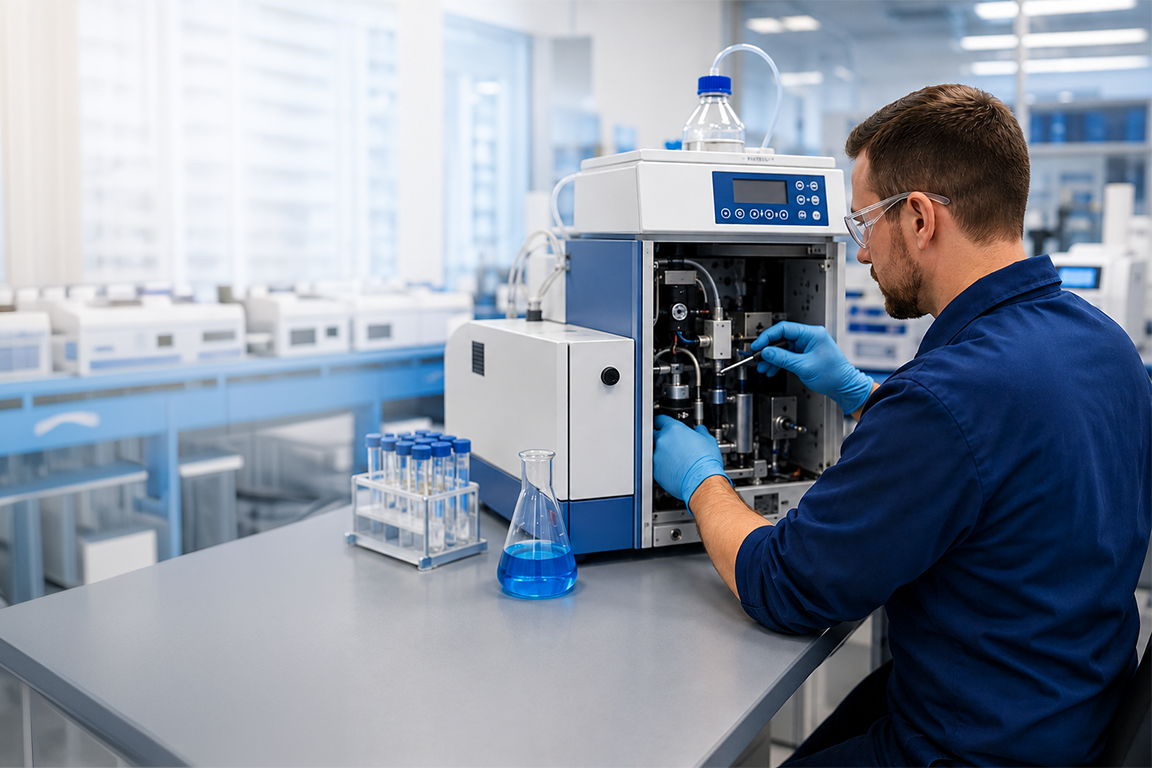
Laboratories depend on precision, consistency, and uptime to keep operations running smoothly. From research facilities and hospitals to diagnostic labs and biotech companies, equipment performance directly affects productivity, compliance, and patient outcomes. When critical systems suddenly fail, the cost goes far beyond downtime. Emergency service calls, delayed testing, interrupted workflows, and rushed replacements can quickly become expensive. That is why proactive laboratory equipment repair and maintenance strategies are essential for modern labs.
Preventive maintenance helps laboratories identify wear and performance issues before they become serious problems. Instead of reacting to unexpected failures, facilities can schedule inspections, calibrations, and servicing at the right intervals to keep systems operating efficiently. For labs that rely on sensitive instruments daily, this approach can significantly reduce emergency repair costs while extending the life of valuable equipment.
Why Emergency Repairs Are So Expensive
Unexpected equipment failures often happen at the worst possible time. A centrifuge may fail during critical testing, an incubator could lose temperature stability overnight, or a sterilizer might stop functioning before a scheduled procedure. These emergencies create operational disruptions that affect both productivity and compliance.
Emergency repair costs are typically higher because they involve:
- Urgent dispatch fees
- Expedited parts ordering
- Overtime labor
- Workflow interruptions
- Delayed research or patient testing
- Potential compliance concerns
In medical and research environments, even a few hours of downtime can create a backlog that impacts entire departments. Investing in routine lab equipment repair services helps reduce these risks before they escalate into expensive emergencies.
Preventive Maintenance Helps Catch Small Problems Early
Most major equipment failures start as small issues that gradually worsen over time. A worn belt, clogged filter, loose electrical connection, or unstable calibration may seem minor initially, but these problems can eventually cause complete system failure.
Preventive maintenance inspections allow trained technicians to identify early warning signs such as:
- Unusual vibration or noise
- Inconsistent temperatures or pressure readings
- Reduced efficiency
- Calibration drift
- Component wear
- Software or sensor errors
Addressing these issues early is significantly more affordable than waiting for a complete breakdown. Routine maintenance appointments also help laboratories plan service around operational schedules instead of dealing with unexpected shutdowns.
A skilled medical equipment technician understands how to evaluate performance trends and identify components approaching failure before they impact daily operations.
Extending Equipment Lifespan Through Routine Service
Laboratory equipment is a major investment. Replacing complex analyzers, sterilizers, microscopes, refrigeration systems, or diagnostic equipment can place significant strain on operational budgets.
Preventive maintenance helps extend equipment lifespan by ensuring systems remain properly calibrated, lubricated, cleaned, and adjusted. Components that operate under excessive strain wear out faster and increase the likelihood of failure. Regular servicing reduces stress on critical parts and keeps systems functioning within manufacturer specifications.
Facilities that prioritize preventive care often experience:
- Longer equipment lifespan
- Improved operational efficiency
- Lower long-term repair costs
- Fewer unexpected breakdowns
- Better testing accuracy
- Reduced replacement frequency
Instead of replacing equipment prematurely, labs can maximize the value of their existing systems through scheduled maintenance and professional laboratory equipment repair services.
Compliance and Accreditation Benefits
Laboratories and healthcare facilities must maintain strict compliance standards for equipment performance, calibration, and documentation. Regulatory agencies often require proof that systems are routinely inspected and maintained according to manufacturer guidelines.
Preventive maintenance programs help support compliance by providing:
- Maintenance records
- Calibration documentation
- Performance verification
- Inspection logs
- Scheduled servicing history
When equipment fails unexpectedly, it may raise concerns during inspections or audits. Consistent preventive maintenance reduces the likelihood of noncompliance while helping facilities maintain confidence in their testing accuracy and operational reliability.
Routine medical equipment repair and inspection services also help identify safety concerns that could potentially impact staff or patient safety.
Reducing Downtime Improves Productivity
Downtime is one of the largest hidden costs associated with emergency repairs. When critical instruments stop working, technicians and staff may be unable to complete scheduled work, causing delays throughout the organization.
Preventive maintenance helps reduce downtime by:
- Scheduling service during off-hours or slower periods
- Preventing unexpected breakdowns
- Improving overall equipment reliability
- Reducing repeat repair issues
- Keeping systems optimized for daily use
For high-volume laboratories, even a single day of downtime can result in lost productivity, delayed reporting, and operational bottlenecks. Proactive lab equipment repair strategies help keep workflows moving efficiently and minimize disruptions to staff and patients.
Energy Efficiency and Performance Improvements
Laboratory equipment that is not properly maintained often consumes more energy and operates less efficiently. Dirty filters, aging components, poor calibration, and mechanical strain can all increase power consumption while reducing performance.
Preventive maintenance helps equipment operate at peak efficiency by ensuring:
- Proper airflow and cooling
- Accurate calibration
- Stable operating temperatures
- Clean internal components
- Efficient mechanical performance
Improved efficiency not only reduces operational costs but also helps laboratories maintain consistent testing conditions and performance standards.
Building a Reliable Maintenance Schedule
Every laboratory operates differently, which means maintenance schedules should be tailored to equipment usage, manufacturer recommendations, and operational demands.
A strong preventive maintenance plan typically includes:
- Routine inspections
- Calibration verification
- Cleaning and lubrication
- Safety testing
- Software updates
- Component replacement when needed
- Performance testing
Facilities should work with experienced service providers who understand the specialized requirements of laboratory and medical environments. An experienced medical equipment technician can help determine appropriate maintenance intervals based on equipment type and usage patterns.
High-use equipment may require more frequent servicing, while backup systems may need periodic inspections to ensure readiness when needed.
The Financial Benefits of Preventive Maintenance
Many facilities initially focus on the upfront cost of preventive maintenance programs, but the long-term savings are often substantial. Proactive servicing reduces emergency labor costs, protects expensive equipment, and minimizes productivity losses.
The financial advantages often include:
- Lower emergency repair expenses
- Reduced replacement costs
- Fewer operational interruptions
- Improved equipment reliability
- Extended asset lifespan
- Better energy efficiency
- Reduced compliance risks
Over time, the cost of preventive maintenance is typically far lower than the combined cost of repeated emergency repairs and equipment failures.
Facilities in areas like Everett, WA that rely heavily on precision instruments can especially benefit from a proactive service strategy that reduces downtime and protects operational continuity.
Choosing the Right Laboratory Equipment Service Partner
Not all service providers specialize in laboratory and medical equipment systems. Laboratories should choose experienced professionals who understand the complexities of sensitive instruments, compliance standards, and operational demands.
A reliable service partner should offer:
- Experience with laboratory and medical equipment
- Preventive maintenance programs
- Emergency repair support
- Calibration and testing services
- Documentation and reporting
- Fast response times
- Skilled technicians
Working with a trusted provider ensures equipment receives the specialized care necessary to maintain performance and reliability.
FAQ About Preventive Laboratory Equipment Maintenance
How often should laboratory equipment receive preventive maintenance?
Maintenance frequency depends on the equipment type, manufacturer recommendations, and usage levels. High-use systems may require quarterly or semi-annual servicing, while other equipment may only need annual inspections.
Can preventive maintenance reduce emergency repair costs?
Yes. Preventive maintenance identifies minor issues before they become major failures, helping reduce expensive emergency service calls and downtime.
Why is calibration important during maintenance?
Calibration ensures equipment provides accurate and reliable results. Inconsistent readings can affect testing quality, compliance, and research accuracy.
What types of equipment benefit from preventive maintenance?
Most laboratory and medical systems benefit from routine service, including centrifuges, incubators, sterilizers, analyzers, refrigeration units, microscopes, and diagnostic equipment.
Does preventive maintenance improve equipment lifespan?
Yes. Routine servicing reduces strain on components, improves efficiency, and helps equipment operate within manufacturer specifications for longer periods.
Why should laboratories work with experienced technicians?
An experienced medical equipment technician understands specialized systems, compliance requirements, and the unique operational needs of laboratory environments.
Preventive maintenance is one of the most effective ways to reduce unexpected downtime, control repair expenses, and protect critical laboratory operations. By investing in proactive laboratory equipment repair and maintenance services, facilities can improve reliability, extend equipment lifespan, and maintain compliance with confidence. For professional service and support, visit Precision Mechanical or Request a Service or Equipment.