
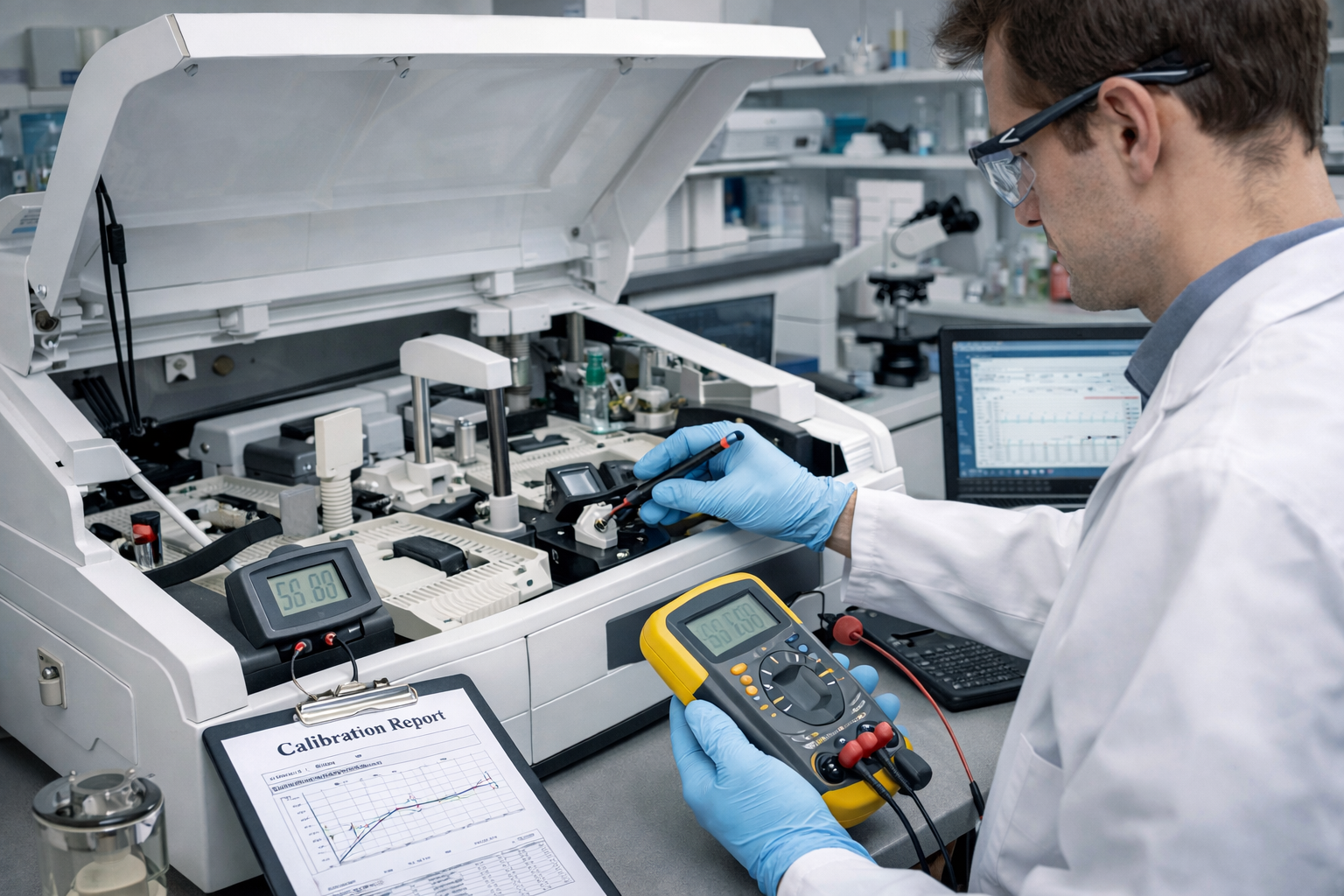
When it comes to delivering accurate test results and protecting patient safety, Laboratory and Medical Equipment Repair is not just about fixing broken machines. It is about ensuring every device in your facility is calibrated, compliant, and functioning within manufacturer specifications. Operating uncalibrated or poorly maintained equipment can introduce serious risks that affect patient outcomes, regulatory standing, workflow efficiency, and your facility’s financial stability.
For lab managers, biomedical engineers, and medical staff who rely on precision instruments daily, calibration and proactive repair are essential safeguards. In this article, we will explore the operational, financial, and compliance risks of running uncalibrated equipment, and why consistent Laboratory Equipment Services and Medical Equipment Services should be a core part of your facility’s operational strategy.
Understanding Equipment Calibration in Clinical and Research Settings
Calibration is the process of adjusting and verifying that equipment measurements align with known standards. Whether it is a centrifuge, analyzer, incubator, autoclave, or imaging device, each machine must operate within a defined tolerance range.
Without proper Laboratory Equipment Calibration and Medical Equipment Calibration, devices can drift outside of acceptable parameters. This drift is often gradual and may go unnoticed until it causes significant discrepancies.
Common examples include:
- Blood analyzers reporting inaccurate counts
• Temperature controlled storage units fluctuating outside safe ranges
• PCR machines amplifying samples inconsistently
• Autoclaves failing to reach sterilization thresholds
Even minor deviations can compromise sample integrity and patient safety.
Patient Safety Risks of Uncalibrated Equipment
In healthcare and laboratory environments, precision is critical. Uncalibrated devices can lead to incorrect diagnoses, delayed treatments, or improper dosing decisions.
Consider the impact of inaccurate lab results. If a blood chemistry analyzer produces skewed electrolyte readings, physicians may adjust treatment plans based on flawed data. In research labs, data inconsistencies can invalidate months of work and jeopardize grant funding.
Routine Laboratory Equipment Repair and calibration help prevent these risks by catching performance drift early. When biomedical teams partner with trusted Medical Equipment Services providers, they reduce the likelihood of inaccurate outputs that could compromise care.
Regulatory and Compliance Consequences
Healthcare facilities and laboratories operate under strict regulatory standards. Agencies require documented proof that equipment is maintained and calibrated according to manufacturer guidelines and industry regulations.
Failure to perform proper Laboratory Equipment Calibration can result in:
- Failed inspections
• Fines and penalties
• Loss of accreditation
• Suspended operations
Accrediting bodies often review maintenance logs and calibration records during audits. Gaps in documentation raise immediate red flags.
Consistent Laboratory Equipment Services and Medical Equipment Services create traceable documentation that demonstrates compliance. Scheduled maintenance programs ensure your facility is always audit ready.
Financial Impact of Ignoring Calibration
While skipping calibration may seem like a short term cost saving, the long term financial impact can be substantial.
Here are the hidden costs:
- Repeat Testing
Inaccurate results may require retesting samples, increasing supply usage and staff labor. - Equipment Damage
When systems operate outside proper tolerances, internal components wear out faster. This increases the frequency and cost of Medical Equipment Repair. - Downtime
Unexpected equipment failures disrupt workflow. Delays can reduce patient throughput and revenue. - Liability Exposure
Incorrect patient results may expose facilities to legal risks and reputational damage.
Investing in routine Medical Equipment Calibration is far more cost effective than dealing with the fallout of inaccurate performance.
Operational Workflow Disruptions
Laboratories and clinics depend on tightly coordinated workflows. When one piece of equipment underperforms, the entire operation can slow down.
For example:
- A centrifuge spinning at incorrect speeds affects sample preparation timelines
• A temperature drift in incubators impacts culture growth
• Imaging systems producing inconsistent results require repeat scans
Each disruption adds stress to staff and reduces overall efficiency.
Proactive Laboratory and Medical Equipment Repair minimizes unexpected breakdowns and stabilizes daily operations. Preventive programs supported by experienced Laboratory Equipment Services providers ensure machines perform consistently under daily demands.
Early Warning Signs Your Equipment Needs Calibration or Repair
Many facilities wait until a machine completely fails before calling for Medical Equipment Repair. However, there are often early warning signs that calibration or service is needed.
Watch for:
- Inconsistent readings
• Increased error codes
• Longer processing times
• Unusual noises or vibrations
• Frequent minor adjustments by staff
Addressing these issues early prevents larger mechanical failures and extended downtime.
The Relationship Between Repair and Calibration
Repair and calibration go hand in hand. After a repair, equipment must often be recalibrated to ensure it meets original specifications. Skipping this step undermines the purpose of the repair.
For example:
- Replacing sensors requires recalibration to confirm accuracy
• Servicing heating elements demands temperature verification
• Adjusting mechanical components impacts measurement consistency
Comprehensive Laboratory Equipment Services include both corrective repair and post repair calibration testing to confirm reliability.
Technology Advances and Calibration Standards
Modern laboratory and medical devices often feature digital monitoring and advanced software systems. While these advancements improve precision, they also increase complexity.
Calibration requirements may now include:
- Software validation
• Firmware updates
• Network integration checks
• Automated self diagnostics
Relying on qualified Medical Equipment Services professionals ensures your devices meet both mechanical and digital performance standards.
Building a Preventive Maintenance Strategy
The best way to reduce risk is to implement a structured preventive maintenance and calibration plan.
A strong program should include:
- Equipment inventory tracking
• Scheduled Laboratory Equipment Calibration intervals
• Documented service records
• Priority ranking of mission critical devices
• Budget forecasting for anticipated repairs
Facilities that treat maintenance as an investment rather than an expense see improved reliability and fewer emergency breakdowns.
Laboratory Equipment Repair as a Risk Management Tool
Laboratory and Medical Equipment Repair is not simply a reactive service. It is a strategic risk management function. When equipment is regularly serviced and calibrated, your facility gains:
- Increased reliability
• Improved compliance
• Predictable budgeting
• Reduced emergency downtime
• Enhanced patient and research accuracy
Rather than waiting for failure, proactive repair and calibration extend equipment lifespan and protect operational continuity.
Choosing the Right Service Partner
Not all Laboratory Equipment Services providers offer the same level of expertise. When selecting a partner, consider:
- Experience with your specific equipment models
• Response time for emergency service
• Calibration documentation standards
• Knowledge of regulatory requirements
• Availability of replacement parts
A knowledgeable service provider becomes an extension of your internal team, supporting long term equipment performance and compliance.
Long Term Value of Consistent Service
Healthcare and research environments demand precision, reliability, and accountability. Operating uncalibrated equipment introduces unnecessary risk that can impact patient safety, regulatory compliance, financial stability, and staff productivity.
By prioritizing Laboratory and Medical Equipment Repair along with routine Laboratory Equipment Calibration and Medical Equipment Calibration, facilities protect both their patients and their bottom line. Proactive Laboratory Equipment Services and Medical Equipment Services ensure devices remain accurate, compliant, and dependable.
If your facility is evaluating its calibration and repair protocols, now is the time to take action.
For trusted service and support in Everett, WA, connect with Precision Mechanical. Our experienced team provides comprehensive support tailored to laboratory and clinical environments, from preventive maintenance to urgent Medical Equipment Repair.
Ready to improve reliability and reduce risk? Request a Service or Equipment today and ensure your laboratory and medical devices are performing at their highest standards.